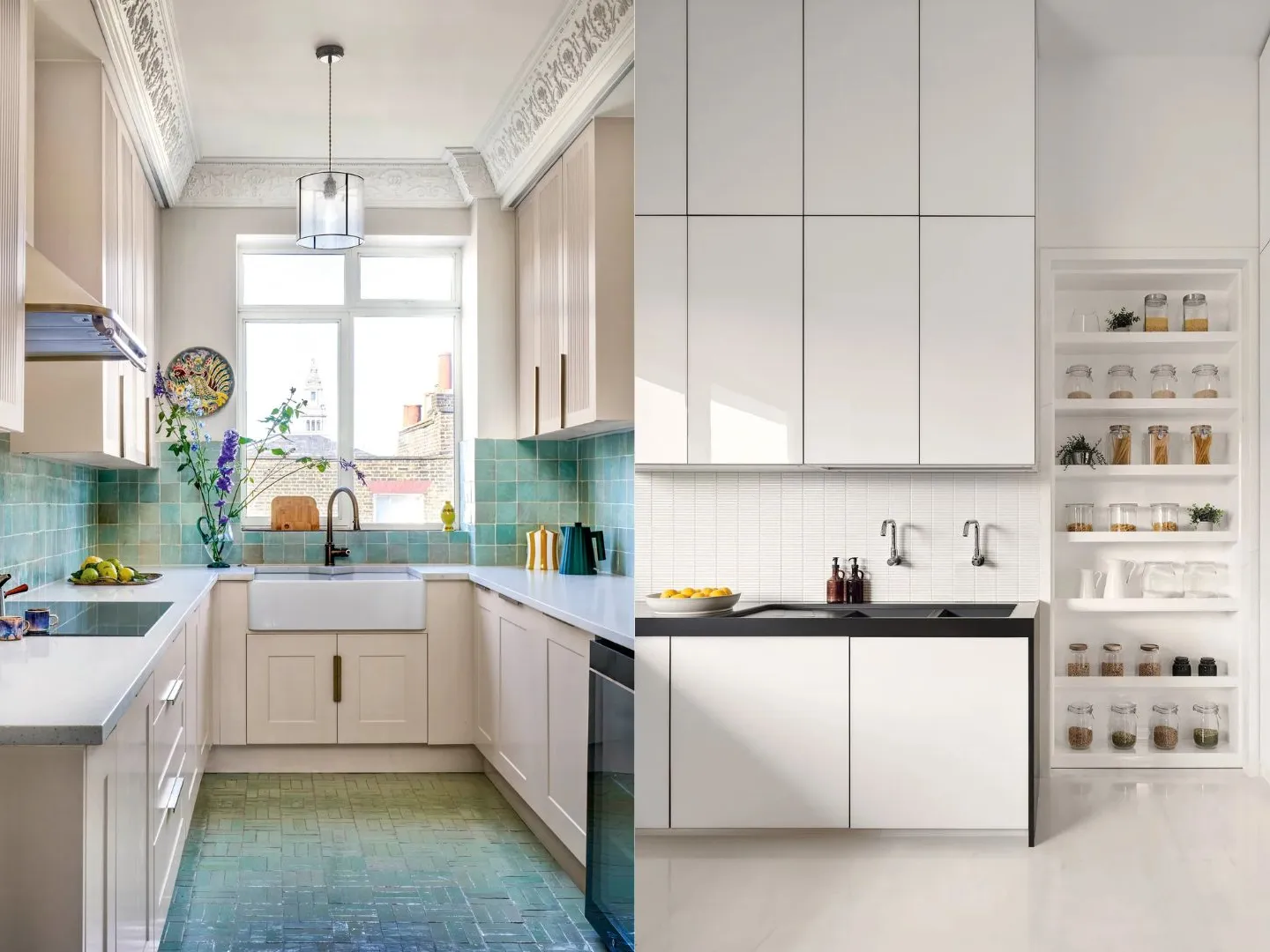
A kitchen should be a place where cooking feels enjoyable rather than stressful. From preparing breakfast in the morning to cooking dinner in the evening, this room supports many important household activities. Its design influences how easily people move around, store supplies, clean surfaces, and use appliances. Creating a functional kitchen does not always require a complete renovation. Sometimes, a few well-planned changes can make the space more comfortable and attractive.
One important aspect of kitchen improvement is making better use of available wall space. Empty walls can provide valuable opportunities for additional storage without reducing floor space. Wall-mounted racks can hold cooking utensils, frequently used pans, or small kitchen accessories. Magnetic strips are useful for storing certain metal tools, while hooks can keep oven mitts and towels within reach. These additions should be positioned carefully so that they remain accessible without interfering with food preparation.
Choosing the right kitchen cabinets can also improve the overall experience. Cabinets are used frequently, so their construction and internal arrangement matter as much as their appearance. Soft-close drawers, adjustable shelving, and sturdy hinges can make daily use more convenient. Homeowners should consider storing heavy cookware in lower cabinets and lighter items on higher shelves. This arrangement makes essential equipment easier to reach and reduces the risk of dropping heavy objects.
A dedicated coffee or beverage station is another feature that can bring convenience to a busy household. A small section of countertop can be arranged with a coffee machine, cups, mugs, and commonly used supplies. Keeping these items together prevents them from spreading across the main preparation area. In larger kitchens, a separate beverage cabinet can provide additional storage for tea, coffee, glasses, and other refreshments.
The choice of kitchen appliances should reflect the household’s cooking habits. Families that prepare large meals may benefit from a spacious oven and refrigerator, while smaller households might prefer compact appliances that save valuable space. Before purchasing equipment, it is important to check measurements, electrical requirements, ventilation needs, and installation instructions. Selecting appliances with practical features rather than unnecessary extras can help control renovation costs.
Lighting deserves equal attention because different kitchen activities require different levels of brightness. General ceiling lighting helps illuminate the entire room, while focused lighting makes chopping, washing, and cooking safer and more comfortable. Under-cabinet fixtures can remove shadows from countertops, and pendant lights can add character above a dining area or island. Warm lighting may create a relaxed atmosphere, while brighter neutral lighting can be useful for detailed preparation tasks.
Color coordination can make the kitchen feel more balanced. Light shades often help smaller rooms appear more spacious, while deeper colors can create a dramatic and modern effect. A simple combination of two or three complementary tones is usually easier to maintain visually than using too many competing colors. Cabinet finishes, wall paint, countertops, and flooring should work together to create a consistent appearance.
Keeping the kitchen clean is easier when the design supports regular maintenance. Smooth backsplashes, accessible corners, and easy-to-clean flooring can reduce the effort required for everyday cleaning. A microfiber cloth and suitable surface cleaner can help remove fingerprints and food splashes from cabinets and appliances. Sinks and drains should also be cleaned regularly to prevent unpleasant odors and buildup. Establishing a simple cleaning routine can protect kitchen finishes and maintain a pleasant environment.
Safety should never be overlooked when improving a kitchen. Cooking equipment should have enough surrounding space, electrical outlets should be suitable for their intended use, and sharp tools should be stored securely. Smoke alarms should be maintained, and ventilation systems should be checked periodically. Families with young children may also consider cabinet safety locks and protected storage for cleaning products.
A welcoming kitchen combines useful features with personal style. Fresh flowers, a small herb garden, attractive storage containers, or comfortable seating can make the room feel more inviting. However, decorative items should not take over valuable working surfaces. Leaving enough clear countertop space helps maintain an organized environment and makes meal preparation easier.
Ultimately, a well-designed kitchen should support the way people actually live. Practical storage, suitable appliances, thoughtful lighting, and easy maintenance can turn an ordinary room into an efficient and enjoyable part of the home. With careful planning and consistent attention, even modest improvements can create a kitchen that remains comfortable and useful for years.
Leave a Reply