Category: Uncategorized

  • The Importance of a Clean and Organized Kitchen

    The Importance of a Clean and Organized Kitchen

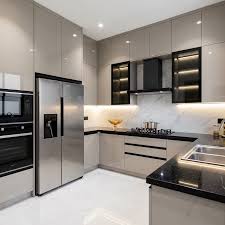
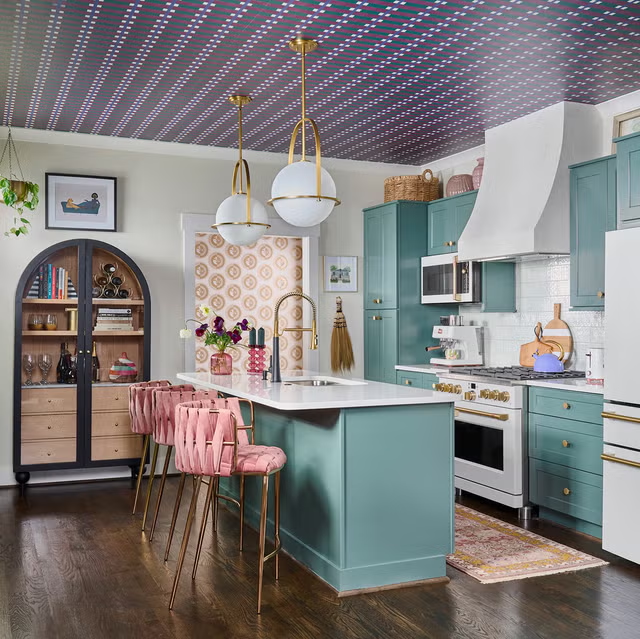
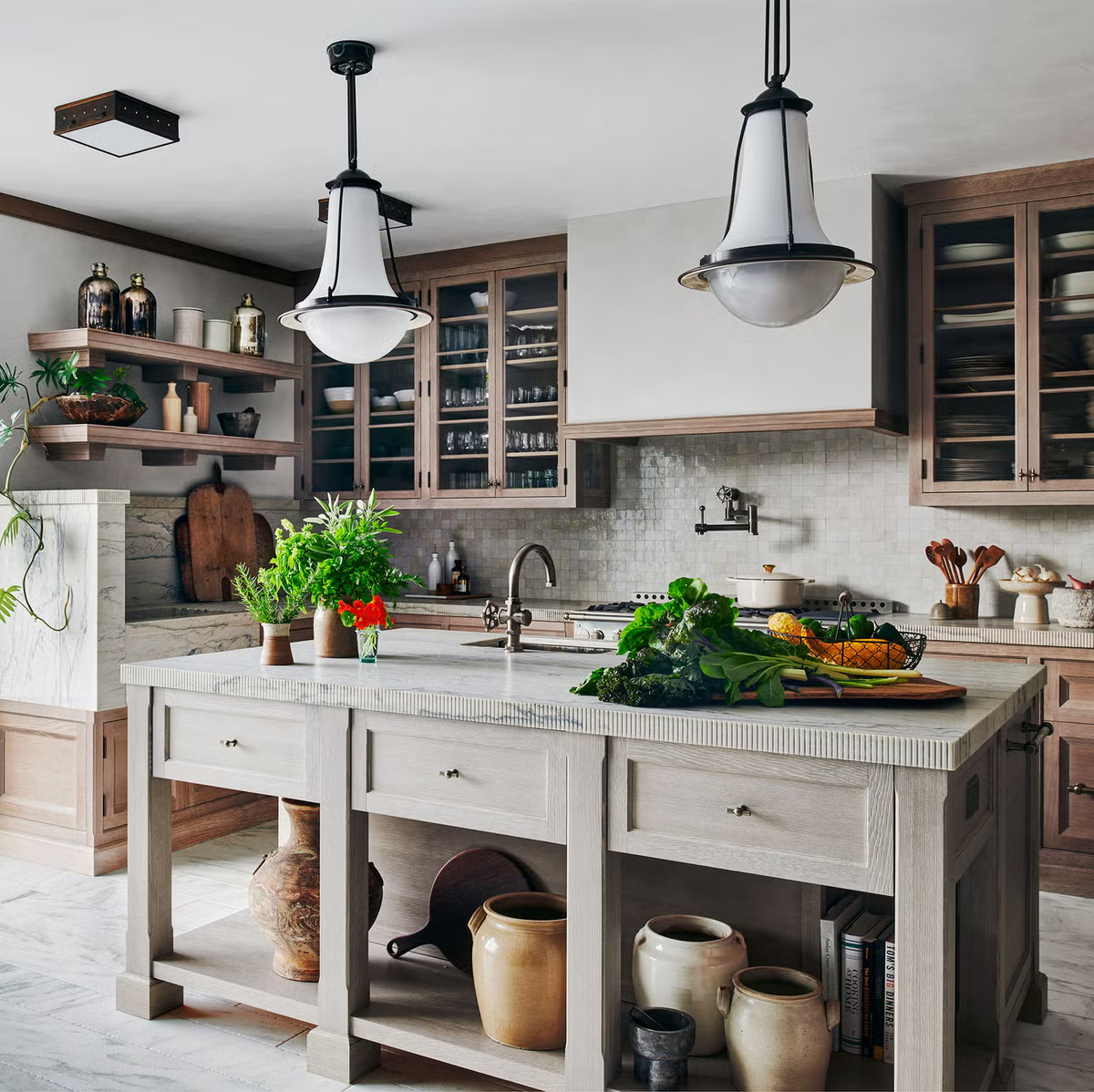
    The kitchen is one of the most important areas of every home. It is the place where meals are prepared, food is stored, and families often spend time together. A clean and organized kitchen makes cooking easier, protects family health, and creates a comfortable environment. Maintaining good kitchen habits is essential for preparing safe and healthy meals.

    1. The Kitchen Is the Heart of the Home

    The kitchen plays an important role in daily family life. It is where people prepare breakfast, lunch, dinner, and snacks. In many households, family members also gather in the kitchen to talk, share experiences, and enjoy meals together.

    A welcoming kitchen creates a positive atmosphere and makes everyday activities more enjoyable.

    2. Cleanliness Prevents Food Contamination

    Keeping the kitchen clean is essential for preventing foodborne illnesses. Dirty countertops, unwashed utensils, and contaminated surfaces can allow harmful microorganisms to spread.

    People should wash their hands before handling food, clean preparation surfaces regularly, and wash dishes properly. Raw meat and vegetables should also be handled separately to prevent cross-contamination.

    3. Proper Food Storage Is Important

    Food should be stored at suitable temperatures to maintain freshness and prevent spoilage. Refrigerators help preserve perishable items such as milk, meat, cooked meals, and certain vegetables.

    Dry foods such as rice, flour, lentils, and spices should be kept in clean, airtight containers. Proper food storage reduces waste and helps protect family health.

    4. Kitchen Organization Saves Time

    An organized kitchen makes cooking faster and more convenient. Frequently used utensils, cooking ingredients, and appliances should be placed where they are easy to reach.

    Separate cabinets or storage areas can be used for dishes, spices, groceries, and cleaning supplies. Keeping everything in its proper place also reduces unnecessary clutter.

    5. Healthy Cooking Starts in the Kitchen

    A well-maintained kitchen makes it easier to prepare nutritious meals. Fresh vegetables, fruits, whole grains, pulses, and other healthy ingredients can be used to create balanced dishes.

    Preparing meals at home also allows families to control ingredients, cooking methods, and portion sizes. Choosing healthier cooking methods, such as steaming, grilling, and baking, can support better nutrition.

    6. Kitchen Safety Should Never Be Ignored

    The kitchen contains several potential hazards, including sharp knives, hot cooking equipment, electrical appliances, and gas stoves.

    Knives should be stored safely, electrical appliances should be handled with dry hands, and cooking should never be left unattended. Families should also keep flammable materials away from open flames and ensure that gas appliances are properly maintained.

    7. Saving Energy and Water in the Kitchen

    Responsible kitchen habits can reduce household expenses and protect natural resources. People can save water by washing vegetables in a bowl instead of leaving the tap running.

    Energy can be conserved by using suitable cookware, covering pots while cooking, and switching off appliances when they are not needed. Choosing energy-efficient equipment can also make a difference.

    8. Reducing Kitchen Waste

    Food waste is a major environmental and economic problem. Families can reduce waste by planning meals, purchasing reasonable quantities of groceries, and storing food correctly.

    Vegetable peels and other suitable organic waste can sometimes be composted to produce natural fertilizer. Reusable containers and shopping bags can also help reduce plastic waste.

    Conclusion

    A clean and organized kitchen is essential for a healthy and comfortable home. It supports food safety, improves cooking efficiency, encourages healthy eating, and reduces unnecessary waste. By maintaining cleanliness, organizing supplies, following safety practices, and using resources responsibly, every family can create a kitchen that is practical, welcoming, and environmentally friendly.

  • Creating a Kitchen That Combines Style and Function

    Creating a Kitchen That Combines Style and Function

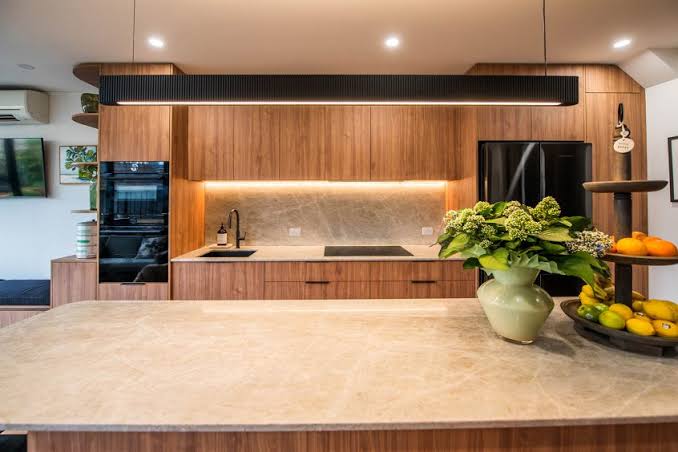
    A kitchen is more than a place to prepare meals. It is one of the most frequently used spaces in a home, bringing family members together for cooking, conversations, and everyday activities. A well-designed kitchen should offer comfort, practical storage, attractive finishes, and enough room to move around easily. Whether planning a complete renovation or making a few improvements, thoughtful choices can transform an ordinary kitchen into a welcoming and functional space.

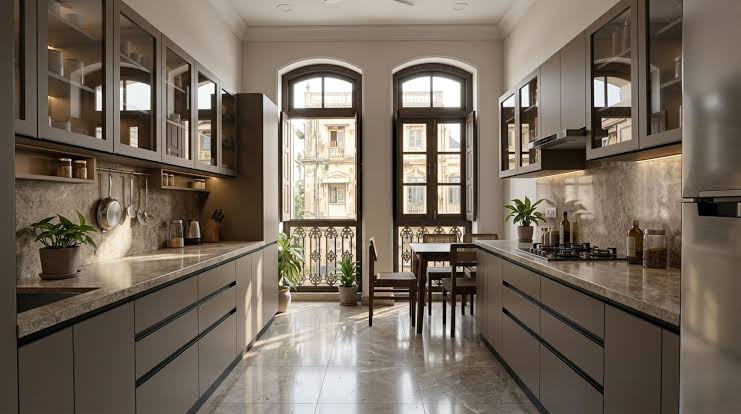
    One of the first things to consider when designing a kitchen is the layout. The arrangement of cabinets, appliances, countertops, and work areas has a direct impact on how comfortably the space can be used. A practical layout keeps the refrigerator, sink, and cooking area within convenient reach. This arrangement reduces unnecessary movement and makes meal preparation more efficient. Open kitchens can create a spacious atmosphere, while galley and L-shaped layouts are often useful in smaller homes.

    Storage is another important part of a successful kitchen design. Without enough organized storage, countertops can quickly become crowded with appliances, containers, and cooking supplies. Cabinets that extend toward the ceiling can provide additional room for items used less frequently. Deep drawers are useful for storing pots and pans, while pull-out shelves make it easier to access items at the back of cabinets. Dedicated spaces for spices, utensils, and cleaning products can also help maintain an organized environment.

    Countertop selection deserves careful attention because these surfaces experience regular use. Materials such as granite, quartz, and laminate offer different advantages in terms of appearance, maintenance, and cost. Quartz is popular for its consistent finish and relatively simple maintenance, while granite provides natural patterns that give each countertop a distinctive look. The best option depends on the household’s cooking habits, budget, and preferred design style.

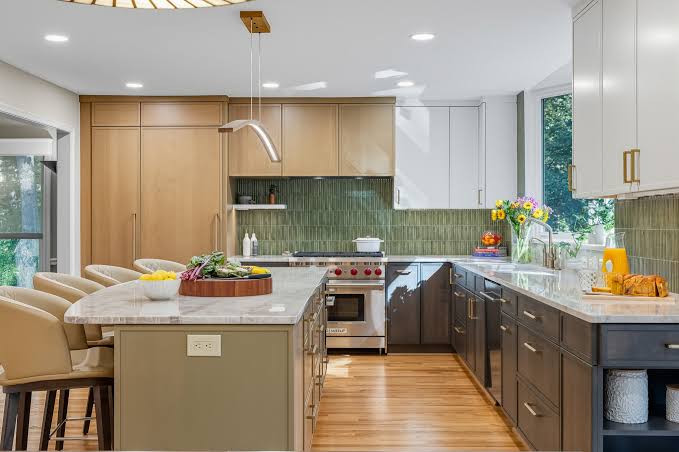
    Lighting can completely change the appearance and usability of a kitchen. Natural light makes the room feel brighter and more inviting, so windows should remain unobstructed whenever possible. Ceiling lights provide general illumination, but additional lighting beneath cabinets can brighten food preparation areas. Pendant lights above an island or breakfast counter can also add visual interest while providing focused illumination. Choosing appropriate lighting makes everyday kitchen activities more comfortable.

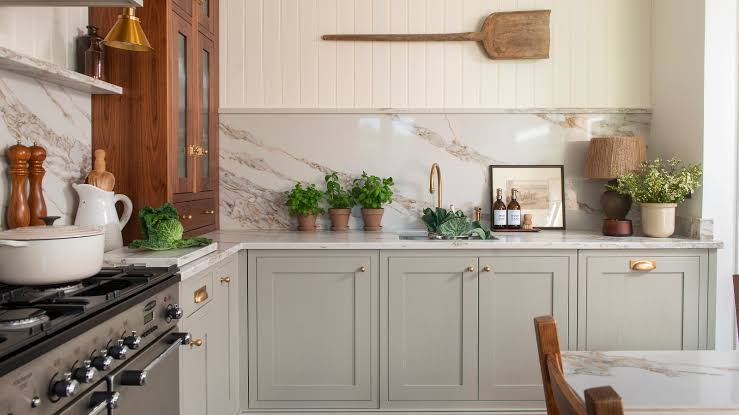
    Color and material choices help establish the overall personality of the room. Neutral shades such as white, beige, and soft gray create a clean and timeless appearance. Homeowners who prefer a warmer atmosphere can introduce wooden cabinets, textured backsplashes, and natural stone finishes. Dark cabinets can create a sophisticated look when balanced with lighter countertops and sufficient lighting. Rather than following every design trend, it is often better to select finishes that will remain attractive for many years.

    Modern kitchen appliances can improve convenience and energy efficiency. Refrigerators, ovens, dishwashers, and cooktops are available in many sizes and styles, making it possible to find options for different household needs. Before purchasing new appliances, it is important to measure available spaces and check electrical or plumbing requirements. Energy-efficient models may also help reduce household utility costs over time.

    Ventilation is frequently overlooked during kitchen improvements, even though it plays an important role in indoor comfort. Cooking produces heat, moisture, smoke, and odors that can accumulate without proper airflow. A suitable range hood can remove cooking fumes and help keep nearby surfaces cleaner. Regularly cleaning filters and maintaining ventilation equipment also supports better performance.

    A kitchen renovation should include practical considerations beyond appearance. Flooring should be durable, comfortable to walk on, and suitable for areas where spills may occur. Ceramic tiles, porcelain tiles, and certain waterproof flooring options are commonly considered for kitchens. Choosing easy-to-clean materials can reduce maintenance and help the room remain attractive despite daily use.

    Ultimately, a successful kitchen is one that reflects the needs and habits of the people using it. Careful planning, suitable materials, effective storage, and balanced lighting can create a space that feels both beautiful and practical. Even small improvements, such as replacing cabinet handles, updating a backsplash, or improving countertop organization, can make a noticeable difference. With the right approach, a kitchen can become a comfortable center of everyday life while adding lasting value and appeal to the home.

  • Modern Kitchen Design and Its Importance in Everyday Life

    Modern Kitchen Design and Its Importance in Everyday Life

    A kitchen is more than just a place for preparing food. It is an important part of every home where cooking, cleaning, food storage, and family activities take place. Modern kitchen designs focus on comfort, cleanliness, functionality, and attractive appearance. A well-designed kitchen makes daily tasks easier and creates a pleasant environment for everyone in the household.

    1. The Importance of Kitchen Layout

    A good kitchen layout helps people move easily between different working areas. The sink, stove, refrigerator, and food preparation counter should be arranged conveniently.

    An organized layout reduces unnecessary movement and makes cooking more efficient. It also provides enough space for preparing meals and cleaning utensils.

    2. Choosing the Right Kitchen Cabinets

    Kitchen cabinets provide storage for dishes, cooking equipment, groceries, and other essential items. They help keep the kitchen neat and prevent unnecessary clutter.

    Modern cabinets are available in different materials, colors, and designs. Homeowners should choose durable materials that are easy to clean and suitable for their budget.

    3. Importance of Good Lighting

    Lighting is an important feature of kitchen design. Proper lighting makes it easier to prepare food, read recipes, and clean working surfaces.

    Natural sunlight can make the kitchen feel brighter and more welcoming. Additional lighting above countertops and cooking areas improves visibility and safety.

    4. Selecting Suitable Kitchen Appliances

    Modern appliances make many kitchen activities faster and easier. Refrigerators preserve food, ovens help with baking, and blenders make food preparation more convenient.

    When purchasing appliances, people should consider energy efficiency, durability, safety, and maintenance requirements. Choosing suitable equipment can save time and reduce electricity consumption.

    5. Maintaining Kitchen Hygiene

    A beautiful kitchen is not complete without proper cleanliness. Countertops, sinks, floors, and cooking equipment should be cleaned regularly.

    Food waste should be removed promptly, and dishes should not be left unwashed for long periods. Good hygiene prevents unpleasant smells and reduces the risk of contamination.

    6. Creating Enough Storage Space

    Storage is essential for maintaining an organized kitchen. Drawers, shelves, cabinets, and containers help keep ingredients and utensils in their proper places.

    Frequently used items should be stored within easy reach, while less frequently used equipment can be placed in higher or less accessible cabinets. Proper storage makes the kitchen more practical.

    7. Using Eco-Friendly Kitchen Materials

    Environmentally friendly materials can make kitchen design more sustainable. Durable cabinets, reusable storage containers, and energy-efficient appliances can reduce waste and resource consumption.

    Homeowners can also choose long-lasting countertops and flooring materials that require less frequent replacement. Simple decisions can make a kitchen both attractive and environmentally responsible.

    8. Adding Comfort and Personal Style

    A kitchen should reflect the preferences and lifestyle of the people who use it. Colors, decorative items, plants, and suitable furniture can make the space more attractive.

    However, decoration should not reduce available working space or make cleaning difficult. A balance between beauty and practicality creates the best results.

    Conclusion

    Modern kitchen design plays an important role in creating a comfortable, organized, and efficient home. A suitable layout, quality cabinets, proper lighting, reliable appliances, and sufficient storage can improve everyday cooking activities. By combining attractive design with cleanliness, safety, and sustainability, families can create a kitchen that serves their needs for many years.

  • Smart Kitchen Ideas for Modern Homes

    Smart Kitchen Ideas for Modern Homes

    The kitchen plays an important role in making a house feel comfortable, organized, and welcoming. It is where daily meals are prepared, family members gather, and many household routines take place. A thoughtfully designed kitchen can make these activities easier while improving the overall appearance of a home. Modern kitchen design focuses on combining practical features with attractive details, allowing homeowners to create spaces that suit their lifestyles.

    One of the most useful improvements in a modern kitchen is creating an efficient workspace. Preparing meals often involves several activities, including washing ingredients, cutting vegetables, cooking, and serving food. Keeping these areas logically arranged can make the entire process smoother. A spacious countertop between the sink and stove provides a convenient place for food preparation, while frequently used utensils should remain within easy reach. Even a small kitchen can become more functional when its main work areas are properly organized.

    Cabinet design can have a significant effect on both storage capacity and visual appeal. Flat-panel cabinets offer a clean, contemporary appearance, while traditional framed cabinets bring a more classic character to the room. Homeowners can choose finishes that complement their flooring, countertops, and wall colors. Soft-close hinges and drawer systems are also practical additions because they reduce noise and make cabinets easier to use. Selecting durable hardware can help maintain the quality of kitchen furniture over time.

    Kitchen islands have become popular because they provide additional workspace and create a natural gathering point. Depending on the available floor area, an island can include storage drawers, seating, or a secondary preparation sink. It can also separate the cooking area from the dining or living space in an open-plan home. However, an island should never make movement difficult. Leaving enough clearance around it is essential for comfortable access to cabinets, appliances, and walkways.

    Another important design feature is the backsplash. Although it protects walls from splashes and cooking stains, it also offers an opportunity to introduce texture and color. Ceramic tiles are available in countless patterns, making them suitable for both simple and decorative designs. Large-format tiles can create a cleaner appearance with fewer grout lines, while natural stone can add warmth and character. Choosing a backsplash that complements the countertops helps create a balanced interior.

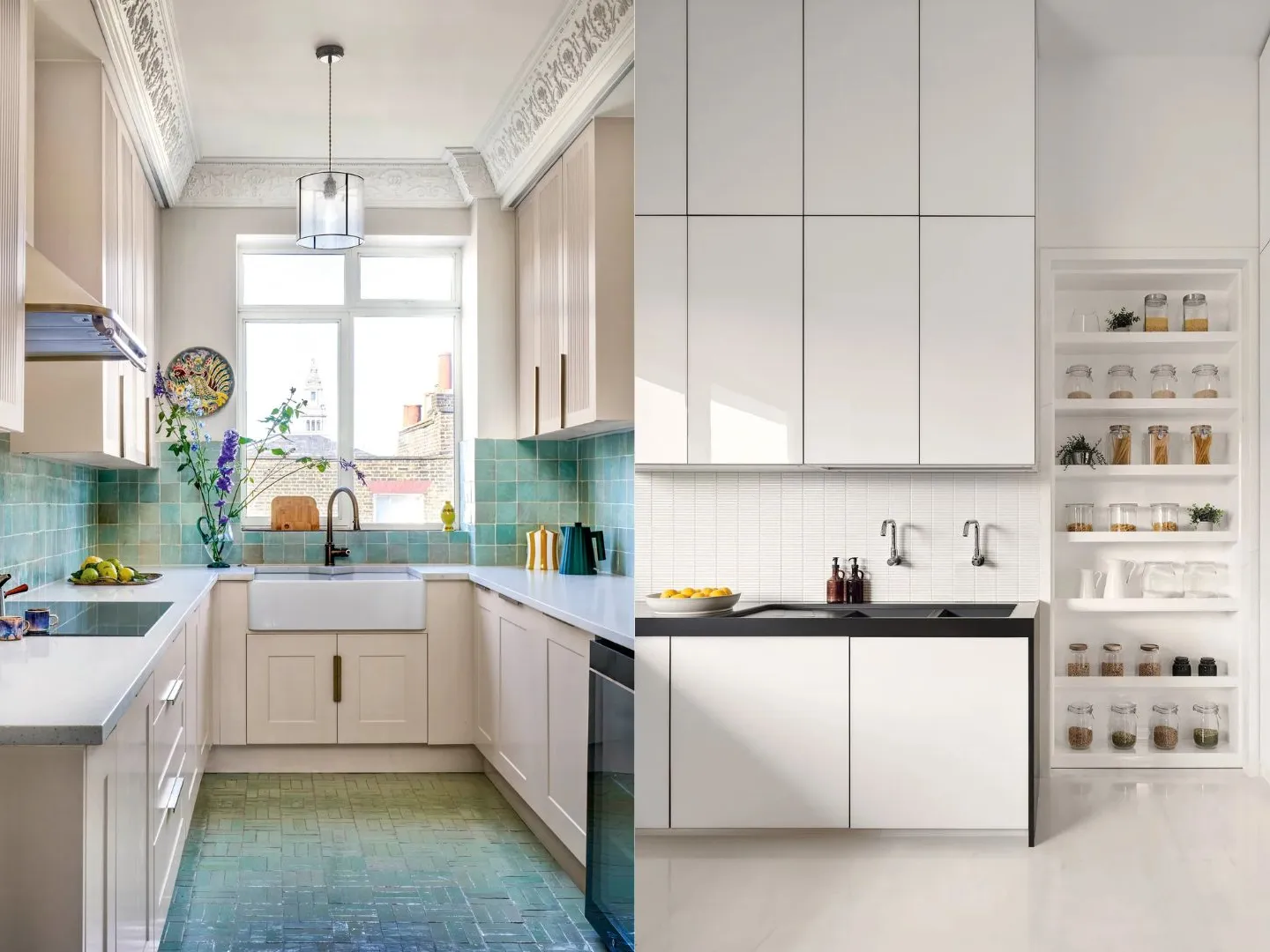
    Good organization can make even a busy kitchen feel peaceful. Instead of placing everything on open surfaces, homeowners can use drawer dividers, labeled containers, and dedicated pantry sections. Frequently used ingredients should be stored where they are easy to reach, while occasional cooking equipment can be placed in higher cabinets. Clear containers make it easier to identify pantry supplies and monitor when items need replacing. These small habits can reduce clutter and save time during meal preparation.

    Technology is also changing the way modern kitchens operate. Smart appliances may offer features such as remote monitoring, programmable cooking settings, and energy-use information. Touchless faucets can make washing hands and handling food more convenient, while adjustable lighting systems allow users to change brightness according to different activities. These features are not essential for every household, but carefully selected upgrades can improve everyday comfort.

    The choice of flooring deserves attention because kitchen floors experience frequent movement, spills, and temperature changes. Porcelain tiles are valued for their durability and resistance to moisture. Luxury vinyl flooring is another option for homeowners who want a softer surface with a variety of decorative finishes. Whatever material is selected, it should be easy to clean and appropriate for the household’s daily needs.

    Ventilation and cleanliness should remain priorities throughout the design process. A properly sized extractor hood helps remove cooking odors, smoke, and excess moisture. Regular cleaning of appliances, cabinet surfaces, sinks, and filters prevents grease and dirt from building up. Keeping cleaning products in a secure, designated storage area also helps maintain a safer and more organized environment.

    Creating a modern kitchen does not necessarily require an expensive renovation. Replacing outdated lighting, refreshing cabinet finishes, improving storage, or installing a new backsplash can make a meaningful difference. The most successful designs balance appearance with everyday practicality. By considering available space, household routines, material quality, and long-term maintenance, homeowners can create a kitchen that remains attractive, comfortable, and useful for years to come.

  • Essential Kitchen Tools and Equipment for Every Home

    Essential Kitchen Tools and Equipment for Every Home

    The kitchen is an important part of every household because it is where food is prepared and meals are created. Having the right kitchen tools and equipment makes cooking easier, faster, and more enjoyable. From simple knives and cooking spoons to modern electrical appliances, every tool has a specific purpose. Understanding how to use and maintain kitchen equipment helps people prepare delicious meals safely and efficiently.

    1. Knives and Cutting Boards

    Knives are among the most important tools in any kitchen. They are used for cutting vegetables, fruits, meat, and other ingredients.

    A good kitchen should have a few different knives for different tasks. Cutting boards provide a safe surface for chopping food. Separate boards for raw meat and vegetables help prevent cross-contamination.

    2. Cooking Pots and Pans

    Pots and pans are essential for preparing everyday meals. Pots are commonly used for boiling rice, cooking soups, and preparing curries, while frying pans are useful for frying eggs, vegetables, and other foods.

    They are available in materials such as stainless steel, aluminum, and cast iron. Choosing durable cookware makes cooking more convenient and can reduce the need for frequent replacements.

    3. Spoons, Spatulas, and Cooking Utensils

    Cooking utensils help people mix, stir, turn, and serve food. Wooden spoons, spatulas, ladles, tongs, and whisks are commonly used in kitchens.

    Different utensils are suitable for different cooking activities. Heat-resistant tools are especially useful when preparing food on a hot stove.

    4. Measuring Cups and Kitchen Scales

    Accurate measurements are important when following recipes, particularly for baking. Measuring cups and spoons help measure ingredients such as flour, sugar, milk, and oil.

    A kitchen scale provides more precise measurements by weight. These tools help people achieve consistent cooking results and avoid unnecessary ingredient waste.

    5. Refrigerators and Freezers

    Refrigerators are important appliances for keeping perishable foods fresh. They help slow the growth of microorganisms that cause food spoilage.

    Freezers allow people to store suitable foods for longer periods. Regular cleaning and maintaining safe temperatures are necessary for proper food storage.

    6. Blenders and Food Processors

    Blenders and food processors save time during food preparation. Blenders are useful for making smoothies, shakes, sauces, and purees.

    Food processors can chop vegetables, grind ingredients, and prepare mixtures. These appliances are especially helpful for people who cook frequently.

    7. Ovens and Microwave Ovens

    Ovens are commonly used for baking cakes, roasting vegetables, and preparing different dishes. Microwave ovens are useful for reheating food and performing certain quick cooking tasks.

    Both appliances can make kitchen work more convenient. Users should follow manufacturer instructions and handle hot containers carefully.

    8. Cleaning and Maintenance Equipment

    Kitchen cleanliness is essential for food safety. Sponges, dishwashing brushes, cleaning cloths, and suitable cleaning products help maintain clean utensils and surfaces.

    Equipment should be washed and dried after use. Regular maintenance also helps extend the life of appliances and cooking tools.

    Conclusion

    Kitchen tools and equipment make food preparation easier, safer, and more efficient. Knives, cookware, measuring tools, refrigerators, blenders, and ovens all contribute to everyday cooking activities. Choosing suitable equipment, using it correctly, and maintaining cleanliness can improve the overall kitchen experience. A well-equipped kitchen helps families prepare healthy meals and enjoy cooking with greater confidence.

  • Designing a Comfortable and Practical Kitchen

    Designing a Comfortable and Practical Kitchen

    A comfortable kitchen can make everyday life easier while adding warmth and character to a home. It is a space where people prepare meals, organize groceries, share conversations, and spend time with family. Because the kitchen serves so many purposes, its design should balance appearance, convenience, and durability. A carefully planned space can improve daily routines without requiring unnecessary decorations or expensive features.

    The first step in creating a practical kitchen is understanding how the available space will be used. Some households need generous preparation areas because they cook several meals each day, while others prefer a compact arrangement with simple appliances and limited storage requirements. Considering these habits before choosing cabinets and equipment can prevent costly design mistakes. The layout should allow people to move comfortably between the refrigerator, sink, cooking appliances, and preparation surfaces.

    A well-planned pantry can make grocery storage much easier. Instead of placing food items wherever space is available, homeowners can create separate areas for dry ingredients, canned goods, snacks, breakfast supplies, and baking products. Adjustable shelves provide flexibility as storage needs change. Pull-out baskets can make smaller packages easier to find, while transparent containers help identify ingredients quickly. Keeping frequently used products at eye level can also reduce the time spent searching through cupboards.

    The sink area deserves special attention because it is used throughout the day. A deep sink can accommodate larger pots and pans, while a single-bowl design offers flexibility for washing bulky kitchen items. Double-bowl sinks may be useful for households that prefer separating washing and rinsing tasks. The faucet should provide comfortable clearance and easy temperature control. Choosing finishes that resist visible water marks and are simple to clean can help maintain an attractive appearance.

    Kitchen countertops should be selected according to practical needs rather than appearance alone. Food preparation, hot cookware, spills, and regular cleaning place considerable demands on these surfaces. Quartz, granite, solid-surface materials, and laminate each have different maintenance requirements and price ranges. Before making a decision, homeowners should compare durability, stain resistance, repair options, and installation costs. A suitable countertop can provide a dependable working surface for many years.

    Seating can make a kitchen more welcoming, especially in homes where family members enjoy spending time together. A small breakfast bar may provide enough room for two people, while a larger island can accommodate several stools. If the kitchen is connected to a dining or living area, matching the seating style with nearby furniture can create a consistent appearance. Comfortable seating should not interfere with cabinet doors, appliance access, or the main walking route.

    Another useful improvement is creating dedicated storage for recycling and household waste. Separate containers for general rubbish, paper, plastic, and other recyclable materials can make waste management more convenient. Pull-out waste bins fitted inside a cabinet help keep the floor clear and prevent containers from becoming a visual distraction. Their location should be convenient for food preparation and cleaning without blocking access to other kitchen areas.

    The atmosphere of a kitchen also depends on small decorative choices. Natural wood, indoor plants, textured tiles, and simple wall decorations can introduce personality without making the room feel crowded. Open shelving may provide space for attractive dishes or frequently used items, but it should be arranged carefully to avoid a cluttered appearance. A combination of closed cabinets and a limited amount of open storage often creates a good balance between display and practicality.

    Maintenance should be considered when selecting every major kitchen feature. Smooth cabinet surfaces are generally easier to wipe clean, while complicated decorative details may collect dust and grease. Flooring should be suitable for regular cleaning and resistant to everyday spills. Homeowners should also inspect plumbing connections, appliance ventilation, and cabinet fittings periodically to identify minor problems before they become expensive repairs.

    A practical kitchen is not defined by its size or the amount of money spent on renovation. Its success comes from thoughtful organization, comfortable movement, reliable materials, and features that support everyday activities. By making decisions based on real household needs, homeowners can create a kitchen that feels inviting and remains functional over time.

  • Making Your Kitchen More Functional and Inviting

    Making Your Kitchen More Functional and Inviting

    A kitchen should be a place where cooking feels enjoyable rather than stressful. From preparing breakfast in the morning to cooking dinner in the evening, this room supports many important household activities. Its design influences how easily people move around, store supplies, clean surfaces, and use appliances. Creating a functional kitchen does not always require a complete renovation. Sometimes, a few well-planned changes can make the space more comfortable and attractive.

    One important aspect of kitchen improvement is making better use of available wall space. Empty walls can provide valuable opportunities for additional storage without reducing floor space. Wall-mounted racks can hold cooking utensils, frequently used pans, or small kitchen accessories. Magnetic strips are useful for storing certain metal tools, while hooks can keep oven mitts and towels within reach. These additions should be positioned carefully so that they remain accessible without interfering with food preparation.

    Choosing the right kitchen cabinets can also improve the overall experience. Cabinets are used frequently, so their construction and internal arrangement matter as much as their appearance. Soft-close drawers, adjustable shelving, and sturdy hinges can make daily use more convenient. Homeowners should consider storing heavy cookware in lower cabinets and lighter items on higher shelves. This arrangement makes essential equipment easier to reach and reduces the risk of dropping heavy objects.

    A dedicated coffee or beverage station is another feature that can bring convenience to a busy household. A small section of countertop can be arranged with a coffee machine, cups, mugs, and commonly used supplies. Keeping these items together prevents them from spreading across the main preparation area. In larger kitchens, a separate beverage cabinet can provide additional storage for tea, coffee, glasses, and other refreshments.

    The choice of kitchen appliances should reflect the household’s cooking habits. Families that prepare large meals may benefit from a spacious oven and refrigerator, while smaller households might prefer compact appliances that save valuable space. Before purchasing equipment, it is important to check measurements, electrical requirements, ventilation needs, and installation instructions. Selecting appliances with practical features rather than unnecessary extras can help control renovation costs.

    Lighting deserves equal attention because different kitchen activities require different levels of brightness. General ceiling lighting helps illuminate the entire room, while focused lighting makes chopping, washing, and cooking safer and more comfortable. Under-cabinet fixtures can remove shadows from countertops, and pendant lights can add character above a dining area or island. Warm lighting may create a relaxed atmosphere, while brighter neutral lighting can be useful for detailed preparation tasks.

    Color coordination can make the kitchen feel more balanced. Light shades often help smaller rooms appear more spacious, while deeper colors can create a dramatic and modern effect. A simple combination of two or three complementary tones is usually easier to maintain visually than using too many competing colors. Cabinet finishes, wall paint, countertops, and flooring should work together to create a consistent appearance.

    Keeping the kitchen clean is easier when the design supports regular maintenance. Smooth backsplashes, accessible corners, and easy-to-clean flooring can reduce the effort required for everyday cleaning. A microfiber cloth and suitable surface cleaner can help remove fingerprints and food splashes from cabinets and appliances. Sinks and drains should also be cleaned regularly to prevent unpleasant odors and buildup. Establishing a simple cleaning routine can protect kitchen finishes and maintain a pleasant environment.

    Safety should never be overlooked when improving a kitchen. Cooking equipment should have enough surrounding space, electrical outlets should be suitable for their intended use, and sharp tools should be stored securely. Smoke alarms should be maintained, and ventilation systems should be checked periodically. Families with young children may also consider cabinet safety locks and protected storage for cleaning products.

    A welcoming kitchen combines useful features with personal style. Fresh flowers, a small herb garden, attractive storage containers, or comfortable seating can make the room feel more inviting. However, decorative items should not take over valuable working surfaces. Leaving enough clear countertop space helps maintain an organized environment and makes meal preparation easier.

    Ultimately, a well-designed kitchen should support the way people actually live. Practical storage, suitable appliances, thoughtful lighting, and easy maintenance can turn an ordinary room into an efficient and enjoyable part of the home. With careful planning and consistent attention, even modest improvements can create a kitchen that remains comfortable and useful for years.

  • The Importance of Healthy Eating Habits in the Kitchen

    The Importance of Healthy Eating Habits in the Kitchen

    Healthy eating is an important part of maintaining a strong body and an active lifestyle. The kitchen plays a central role in developing good eating habits because it is where food is selected, prepared, and served. A well-managed kitchen makes it easier for families to prepare nutritious meals and avoid unhealthy food choices. By using fresh ingredients and following balanced cooking practices, people can improve their overall well-being.

    1. Choose Fresh and Natural Ingredients

    Fresh ingredients are an important foundation of healthy cooking. Vegetables, fruits, whole grains, pulses, and other nutritious foods provide essential vitamins, minerals, fiber, and energy.

    Families should include a variety of ingredients in their daily meals. Purchasing fresh seasonal produce can also make healthy cooking more affordable.

    2. Maintain a Balanced Diet

    A balanced diet provides the nutrients needed for normal growth and good health. Meals should include appropriate portions of vegetables, fruits, protein-rich foods, and whole grains.

    People can include foods such as lentils, beans, eggs, fish, milk, and whole-wheat bread in their diets. Eating different food groups helps provide a wider range of nutrients.

    3. Use Healthier Cooking Methods

    The way food is prepared can influence its nutritional value. Steaming, boiling, grilling, and baking are useful alternatives to deep-frying.

    Using reasonable amounts of oil, salt, and sugar can also support healthier eating habits. Simple changes in cooking methods can make everyday meals more nutritious.

    4. Keep the Kitchen Clean

    Cleanliness is essential when preparing healthy meals. Dirty utensils, contaminated surfaces, and improperly stored food can cause illness.

    People should wash their hands before cooking, clean countertops regularly, and wash fruits and vegetables properly. Raw and cooked foods should be kept separate to prevent cross-contamination.

    5. Plan Meals in Advance

    Meal planning helps families make better food choices and avoid unnecessary spending. Preparing a weekly meal plan can ensure that nutritious ingredients are available when needed.

    It also reduces the temptation to depend on fast food or highly processed meals. Planning portions carefully can help prevent food waste.

    6. Reduce Unhealthy Snacks

    Many packaged snacks contain excessive amounts of salt, sugar, or unhealthy fats. Regularly consuming these foods may negatively affect long-term health.

    Families can prepare healthier alternatives at home, such as fresh fruit, yogurt, roasted chickpeas, or homemade sandwiches. Keeping nutritious snacks easily accessible encourages better choices.

    7. Drink Enough Clean Water

    Water is essential for digestion, temperature regulation, and many other body functions. People should make clean drinking water easily available in the kitchen.

    Replacing sugary drinks with water can help reduce unnecessary sugar consumption. Drinking enough water throughout the day supports normal body functions.

    8. Teach Children Healthy Cooking Habits

    Children can develop positive food habits by participating in simple kitchen activities. Parents can teach them how to wash vegetables, prepare fruit, and recognize nutritious ingredients.

    These activities encourage independence and help children understand the importance of healthy eating. Adult supervision is necessary when children use sharp tools or hot cooking equipment.

    Conclusion

    The kitchen plays an important role in building healthy eating habits. Choosing fresh ingredients, preparing balanced meals, maintaining cleanliness, and using healthier cooking methods can improve family nutrition. Meal planning and reducing unhealthy snacks also make a positive difference. By making thoughtful food choices every day, families can create a healthier lifestyle and enjoy nutritious meals together.

  • Kitchen Renovation Ideas for a Better Home

    Kitchen Renovation Ideas for a Better Home

    A kitchen renovation is an opportunity to improve one of the most important spaces in a home. Beyond updating its appearance, a successful renovation can make cooking easier, create more storage, and improve the way family members use the room. Whether the project involves replacing old cabinets or redesigning the entire space, every decision should support comfort, functionality, and long-term value.

    Before starting any renovation, it is important to evaluate the existing kitchen. Look at the condition of the cabinets, countertops, flooring, plumbing, and electrical fixtures. Identify areas that cause inconvenience, such as limited preparation space, poorly positioned appliances, or insufficient storage. Understanding these problems helps establish clear renovation priorities and prevents spending money on changes that do not solve everyday issues.

    Cabinet replacement is often one of the most noticeable parts of a kitchen renovation. Old or damaged cabinets can make an otherwise attractive room look outdated. New cabinets can introduce a cleaner appearance while providing better internal organization. Homeowners who want to manage renovation costs may consider repainting existing cabinet doors, replacing handles, or installing new hinges instead of purchasing an entirely new cabinet system. The right approach depends on the condition and construction of the existing units.

    Countertops can also transform the kitchen’s appearance. A fresh surface creates a cleaner working area and can complement newly installed cabinets. Quartz is a popular option because it offers a consistent appearance and requires relatively simple maintenance. Granite provides natural patterns, while laminate offers a variety of designs at different price points. It is worth comparing samples in the actual kitchen because lighting can change how colors and textures appear.

    Flooring is another important renovation decision. Kitchen floors must withstand frequent movement, spills, dropped utensils, and regular cleaning. Porcelain and ceramic tiles are common choices because of their durability and moisture resistance. Other suitable materials may offer a warmer or softer feel underfoot. Before installation, the subfloor should be inspected to make sure it is stable and properly prepared. A durable floor can help prevent maintenance problems after the renovation is complete.

    A backsplash adds both protection and decorative character. The wall behind a stove or sink can experience frequent splashes, grease, and moisture. Installing an easy-to-clean backsplash helps protect the surface while creating a visual connection between countertops and cabinets. Simple rectangular tiles provide a timeless appearance, while patterned designs can introduce more personality. The material should be suitable for kitchen conditions and installed with appropriate grout and sealing where necessary.

    Appliance placement should be reviewed carefully during the renovation. A refrigerator that blocks a walkway or an oven positioned too close to a corner can make the room difficult to use. Measuring appliances and checking door clearance before installation can prevent these problems. It is also important to confirm electrical connections, water supply lines, and ventilation requirements before finalizing the layout. Qualified professionals should handle work involving complex electrical, gas, or plumbing systems.

    Storage improvements can make a renovated kitchen feel considerably larger. Deep drawers provide convenient access to cookware, while pull-out pantry shelves help organize food supplies. Corner cabinet organizers can make awkward spaces more useful. A dedicated drawer for cutlery and cooking tools can reduce countertop clutter. Planning storage according to the items used most frequently makes the kitchen easier to maintain.

    Energy efficiency is worth considering when selecting new appliances and lighting. Efficient refrigerators, dishwashers, and cooking equipment may reduce energy and water consumption depending on their specifications and usage. LED lighting can provide effective illumination while using less electricity than many older lighting options. These choices may also contribute to lower running costs over the life of the kitchen.

    The final stage of renovation involves adding details that make the space feel complete. Cabinet handles, faucets, light fixtures, wall colors, and window treatments should complement one another. A few carefully selected decorative features can create warmth without making the kitchen feel crowded. Keeping countertops reasonably clear also allows the new materials and finishes to stand out.

    A successful kitchen renovation begins with understanding practical needs and establishing a realistic budget. Prioritizing essential repairs, selecting durable materials, and planning each installation carefully can help avoid unnecessary expenses. With thoughtful decisions, homeowners can create a kitchen that looks refreshed, works efficiently, and provides a comfortable setting for everyday life.

  • Kitchen Gardening: Growing Fresh Vegetables at Home

    Kitchen Gardening: Growing Fresh Vegetables at Home

    Kitchen gardening is the practice of growing vegetables, fruits, herbs, and other useful plants in or around the home. It is a simple and rewarding activity that allows families to enjoy fresh produce while making better use of available space. A small garden can be created in a backyard, balcony, rooftop, or even near a kitchen window. Kitchen gardening promotes healthy eating, saves money, and encourages people to develop a closer relationship with nature.

    1. Benefits of Kitchen Gardening

    One of the biggest advantages of kitchen gardening is access to fresh vegetables and herbs. Families can grow ingredients such as tomatoes, green chilies, coriander, mint, and spinach.

    Homegrown produce can reduce grocery expenses and provide convenient access to ingredients. It also gives people greater control over how their plants are grown and maintained.

    2. Choosing the Right Location

    A suitable location is important for successful gardening. Most vegetable plants need several hours of sunlight each day to grow properly.

    Backyards, balconies, rooftops, and sunny windows can provide suitable spaces. The location should also have access to clean water and enough room for plants to develop.

    3. Selecting Suitable Plants

    Beginners should start with vegetables and herbs that are relatively easy to grow. Mint, coriander, spinach, lettuce, and green chilies are useful options for many home gardens.

    Plant selection should depend on local weather, available space, and growing conditions. Seasonal plants often perform better because they are naturally suited to the temperature and daylight conditions.

    4. Preparing Healthy Soil

    Good soil provides plants with essential nutrients and supports healthy root development. A suitable growing mixture may contain garden soil, compost, and other organic materials.

    Containers should have drainage holes to prevent excess water from collecting around the roots. Adding compost can improve soil structure and provide nutrients for plant growth.

    5. Watering Plants Properly

    Water is essential for healthy plant growth, but excessive watering can damage roots. Plants should be watered according to their individual needs, soil conditions, and weather.

    Checking the soil before watering can help prevent unnecessary water use. Early morning is often a suitable time because it allows plants to absorb moisture before temperatures rise.

    6. Using Natural Gardening Methods

    Kitchen gardens can be maintained using environmentally responsible practices. Compost made from suitable fruit and vegetable scraps can provide organic matter for the soil.

    Gardeners can also remove weeds regularly and inspect plants for pests. Physical barriers and other appropriate low-impact methods can help protect plants without unnecessary chemical use.

    7. Growing Plants in Small Spaces

    People do not need a large garden to grow vegetables. Pots, hanging baskets, recycled containers, and vertical gardening systems can make use of limited space.

    Climbing plants can grow on suitable supports, while small herbs can be kept in containers near sunny windows. Creative arrangements can turn even a small balcony into a productive garden.

    8. Teaching Children Through Gardening

    Kitchen gardening provides children with an opportunity to learn about plants, soil, insects, and the natural environment.

    They can help sow seeds, water plants, and observe how vegetables develop. These activities teach patience, responsibility, and appreciation for food production.

    Conclusion

    Kitchen gardening is a valuable activity that supports healthy eating, environmental awareness, and household savings. It allows families to grow fresh produce even when space is limited. With suitable plants, healthy soil, proper watering, and regular care, anyone can create a productive home garden. Growing food at home is a simple step toward a healthier, greener, and more sustainable lifestyle.