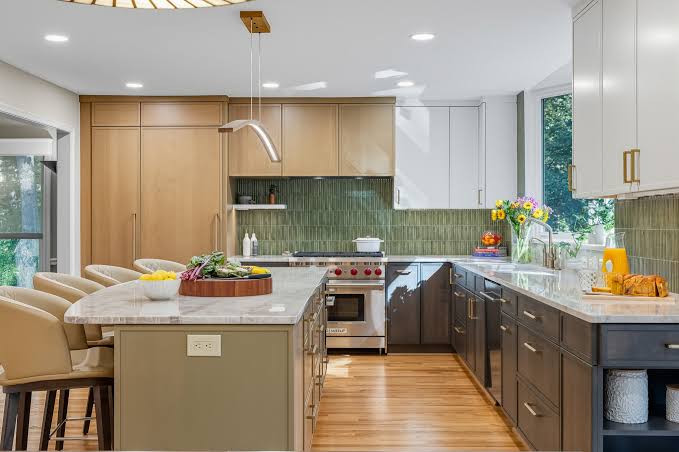
A comfortable kitchen can make everyday life easier while adding warmth and character to a home. It is a space where people prepare meals, organize groceries, share conversations, and spend time with family. Because the kitchen serves so many purposes, its design should balance appearance, convenience, and durability. A carefully planned space can improve daily routines without requiring unnecessary decorations or expensive features.
The first step in creating a practical kitchen is understanding how the available space will be used. Some households need generous preparation areas because they cook several meals each day, while others prefer a compact arrangement with simple appliances and limited storage requirements. Considering these habits before choosing cabinets and equipment can prevent costly design mistakes. The layout should allow people to move comfortably between the refrigerator, sink, cooking appliances, and preparation surfaces.
A well-planned pantry can make grocery storage much easier. Instead of placing food items wherever space is available, homeowners can create separate areas for dry ingredients, canned goods, snacks, breakfast supplies, and baking products. Adjustable shelves provide flexibility as storage needs change. Pull-out baskets can make smaller packages easier to find, while transparent containers help identify ingredients quickly. Keeping frequently used products at eye level can also reduce the time spent searching through cupboards.
The sink area deserves special attention because it is used throughout the day. A deep sink can accommodate larger pots and pans, while a single-bowl design offers flexibility for washing bulky kitchen items. Double-bowl sinks may be useful for households that prefer separating washing and rinsing tasks. The faucet should provide comfortable clearance and easy temperature control. Choosing finishes that resist visible water marks and are simple to clean can help maintain an attractive appearance.
Kitchen countertops should be selected according to practical needs rather than appearance alone. Food preparation, hot cookware, spills, and regular cleaning place considerable demands on these surfaces. Quartz, granite, solid-surface materials, and laminate each have different maintenance requirements and price ranges. Before making a decision, homeowners should compare durability, stain resistance, repair options, and installation costs. A suitable countertop can provide a dependable working surface for many years.
Seating can make a kitchen more welcoming, especially in homes where family members enjoy spending time together. A small breakfast bar may provide enough room for two people, while a larger island can accommodate several stools. If the kitchen is connected to a dining or living area, matching the seating style with nearby furniture can create a consistent appearance. Comfortable seating should not interfere with cabinet doors, appliance access, or the main walking route.
Another useful improvement is creating dedicated storage for recycling and household waste. Separate containers for general rubbish, paper, plastic, and other recyclable materials can make waste management more convenient. Pull-out waste bins fitted inside a cabinet help keep the floor clear and prevent containers from becoming a visual distraction. Their location should be convenient for food preparation and cleaning without blocking access to other kitchen areas.
The atmosphere of a kitchen also depends on small decorative choices. Natural wood, indoor plants, textured tiles, and simple wall decorations can introduce personality without making the room feel crowded. Open shelving may provide space for attractive dishes or frequently used items, but it should be arranged carefully to avoid a cluttered appearance. A combination of closed cabinets and a limited amount of open storage often creates a good balance between display and practicality.
Maintenance should be considered when selecting every major kitchen feature. Smooth cabinet surfaces are generally easier to wipe clean, while complicated decorative details may collect dust and grease. Flooring should be suitable for regular cleaning and resistant to everyday spills. Homeowners should also inspect plumbing connections, appliance ventilation, and cabinet fittings periodically to identify minor problems before they become expensive repairs.
A practical kitchen is not defined by its size or the amount of money spent on renovation. Its success comes from thoughtful organization, comfortable movement, reliable materials, and features that support everyday activities. By making decisions based on real household needs, homeowners can create a kitchen that feels inviting and remains functional over time.
Leave a Reply