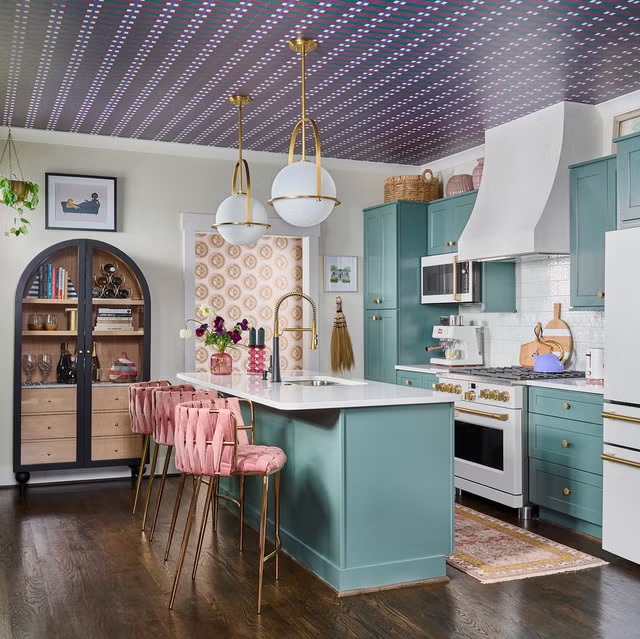
A kitchen renovation is an opportunity to improve one of the most important spaces in a home. Beyond updating its appearance, a successful renovation can make cooking easier, create more storage, and improve the way family members use the room. Whether the project involves replacing old cabinets or redesigning the entire space, every decision should support comfort, functionality, and long-term value.
Before starting any renovation, it is important to evaluate the existing kitchen. Look at the condition of the cabinets, countertops, flooring, plumbing, and electrical fixtures. Identify areas that cause inconvenience, such as limited preparation space, poorly positioned appliances, or insufficient storage. Understanding these problems helps establish clear renovation priorities and prevents spending money on changes that do not solve everyday issues.
Cabinet replacement is often one of the most noticeable parts of a kitchen renovation. Old or damaged cabinets can make an otherwise attractive room look outdated. New cabinets can introduce a cleaner appearance while providing better internal organization. Homeowners who want to manage renovation costs may consider repainting existing cabinet doors, replacing handles, or installing new hinges instead of purchasing an entirely new cabinet system. The right approach depends on the condition and construction of the existing units.
Countertops can also transform the kitchen’s appearance. A fresh surface creates a cleaner working area and can complement newly installed cabinets. Quartz is a popular option because it offers a consistent appearance and requires relatively simple maintenance. Granite provides natural patterns, while laminate offers a variety of designs at different price points. It is worth comparing samples in the actual kitchen because lighting can change how colors and textures appear.
Flooring is another important renovation decision. Kitchen floors must withstand frequent movement, spills, dropped utensils, and regular cleaning. Porcelain and ceramic tiles are common choices because of their durability and moisture resistance. Other suitable materials may offer a warmer or softer feel underfoot. Before installation, the subfloor should be inspected to make sure it is stable and properly prepared. A durable floor can help prevent maintenance problems after the renovation is complete.
A backsplash adds both protection and decorative character. The wall behind a stove or sink can experience frequent splashes, grease, and moisture. Installing an easy-to-clean backsplash helps protect the surface while creating a visual connection between countertops and cabinets. Simple rectangular tiles provide a timeless appearance, while patterned designs can introduce more personality. The material should be suitable for kitchen conditions and installed with appropriate grout and sealing where necessary.
Appliance placement should be reviewed carefully during the renovation. A refrigerator that blocks a walkway or an oven positioned too close to a corner can make the room difficult to use. Measuring appliances and checking door clearance before installation can prevent these problems. It is also important to confirm electrical connections, water supply lines, and ventilation requirements before finalizing the layout. Qualified professionals should handle work involving complex electrical, gas, or plumbing systems.
Storage improvements can make a renovated kitchen feel considerably larger. Deep drawers provide convenient access to cookware, while pull-out pantry shelves help organize food supplies. Corner cabinet organizers can make awkward spaces more useful. A dedicated drawer for cutlery and cooking tools can reduce countertop clutter. Planning storage according to the items used most frequently makes the kitchen easier to maintain.
Energy efficiency is worth considering when selecting new appliances and lighting. Efficient refrigerators, dishwashers, and cooking equipment may reduce energy and water consumption depending on their specifications and usage. LED lighting can provide effective illumination while using less electricity than many older lighting options. These choices may also contribute to lower running costs over the life of the kitchen.
The final stage of renovation involves adding details that make the space feel complete. Cabinet handles, faucets, light fixtures, wall colors, and window treatments should complement one another. A few carefully selected decorative features can create warmth without making the kitchen feel crowded. Keeping countertops reasonably clear also allows the new materials and finishes to stand out.
A successful kitchen renovation begins with understanding practical needs and establishing a realistic budget. Prioritizing essential repairs, selecting durable materials, and planning each installation carefully can help avoid unnecessary expenses. With thoughtful decisions, homeowners can create a kitchen that looks refreshed, works efficiently, and provides a comfortable setting for everyday life.
Leave a Reply